How to make mayonnaise
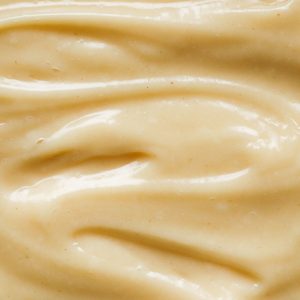
If you've ever wondered how to make mayonnaise at home, you'll be surprised at just how quick and easy it is. I'll show you how to make my homemade mayonnaise recipe with just a few simple ingredients. This recipe is the perfect base for sauces and dressings, a topping for sandwiches, or a side for your favorite snacks.

There are two easy ways to make homemade mayonnaise: by hand with a whisk or with an immersion blender. Both methods produce a rich, creamy result, but I still prefer the traditional whisking method. It only takes a few minutes and gives me complete control over the texture.
Once you know how to make mayonnaise, you'll find yourself reaching for this recipe again and again. It's perfect for sandwiches, burgers, broccoli crunch salad, potato salad, coleslaw, devilled eggs, and as the base for flavored mayonnaises like garlic aioli or herb mayonnaise. Fresh, creamy, and made with simple ingredients, it's well worth making from scratch.
Why you will love my homemade mayonnaise recipe
- Ready in just a few minutes. With a handful of simple ingredients, you can make a batch of fresh, creamy homemade mayonnaise in less time than it takes to run to the grocery store.
- Rich, creamy, and full of flavor. This homemade mayonnaise has a smooth texture and fresh taste that makes sandwiches, salads, and dips even better.
- Easy to customize. Once you've mastered the basic recipe, you can add garlic for homemade aioli, fresh herbs, chili for a spicy mayo, or extra lemon juice to create your own favorite flavors.
Ingredients you will need
Eggs: Fresh eggs produce the best homemade mayonnaise, helping it emulsify more easily and creating a rich, creamy texture. For the best results, let the egg come to room temperature before you start. You don't need whole eggs to make this recipe, so I like to freeze the egg whites for later when I make meringue kisses, chocolate mousse, or pavlova!
Oil: I almost always make this homemade mayonnaise with avocado oil. It has a mild, neutral flavor and creates a rich, creamy texture without overpowering the other ingredients. If you don't have avocado oil, sunflower, grapeseed, or canola oil also work well. I avoid extra virgin olive oil because its strong flavor can make homemade mayonnaise taste bitter.
Mustard: Dijon mustard is my favorite because it adds a subtle tang and helps stabilize the sauce. You can also use wholegrain or yellow mustard if that's what you have on hand, although the flavor will be slightly different.
Tip: Make sure all ingredients are at room temperature. This will prevent your mayonnaise from splitting.
How to make my homemade mayonnaise recipe
By hand
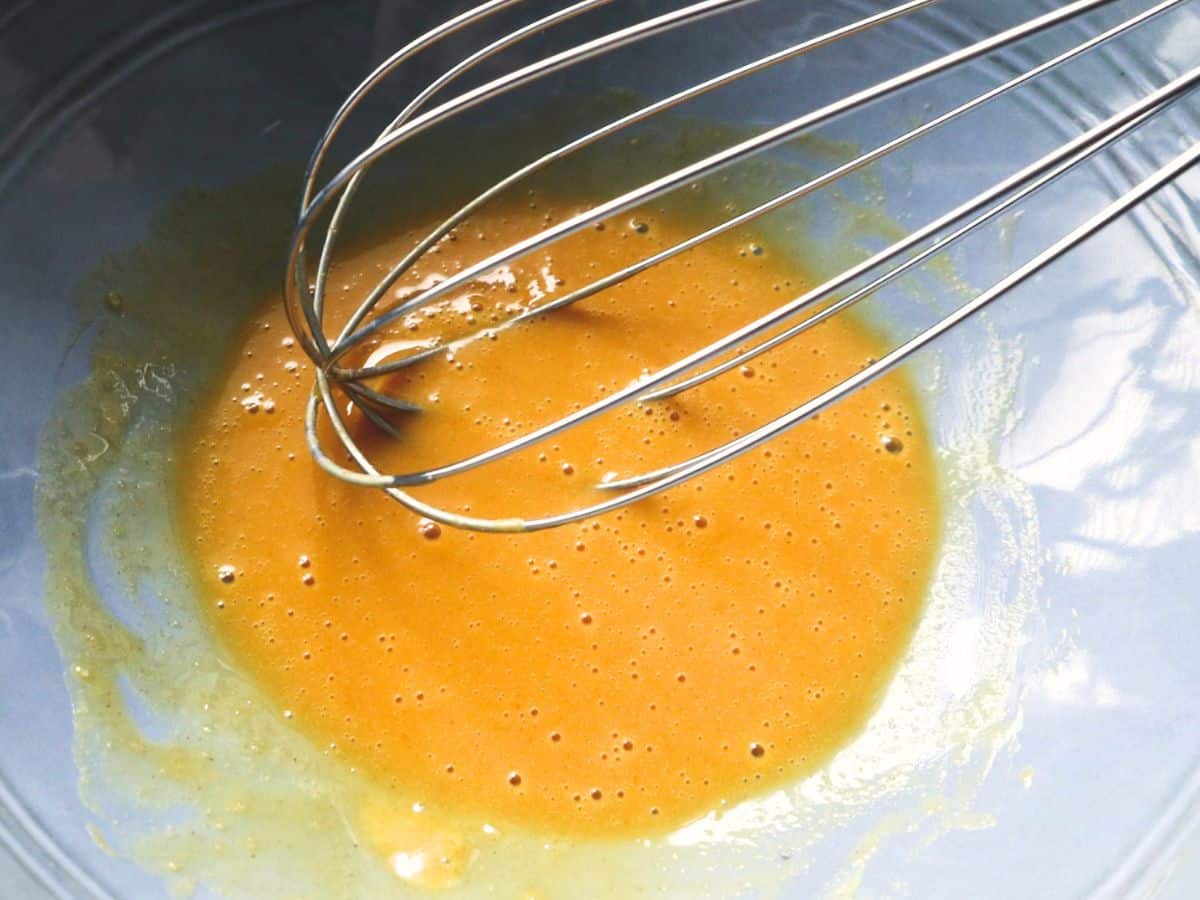
You start by adding the egg yolk, mustard, vinegar, lemon juice, and salt to a bowl. Make sure our bowl is large enough because you want room to whisk. Beat the eggs with a whisk until everything is mixed to make sure you end up with a smooth mayonnaise.

Once the egg mixture is smooth, begin adding the oil very slowly while whisking continuously. Adding the oil too quickly can prevent the mayonnaise from emulsifying properly. Continue whisking until the mayonnaise is thick and creamy, then taste and adjust the seasoning with more salt or vinegar if needed.
Using an immersion blender
Making mayonnaise with an immersion blender is quick and almost foolproof. Add the egg yolk, mustard, vinegar or lemon juice, and salt to the tall beaker that came with your blender. Pour the oil on top.
Place the immersion blender on the bottom of the beaker and switch it on. Keep it there until the mixture starts to thicken, then slowly lift the blender to incorporate the remaining oil. In just a minute or two, you'll have a thick, creamy mayonnaise.
Give it a taste and add a little more salt, lemon juice, or vinegar if you'd like to adjust the flavor.
My tips for the best mayonnaise
- Use room temperature ingredients. Cold ingredients are more likely to separate, while room-temperature eggs and mustard make it much easier to create a smooth, stable emulsion.
- Add the oil slowly. If you're whisking by hand, drizzle the oil in a little at a time while whisking constantly. Rushing this step is the most common reason homemade mayonnaise splits.
- Choose a neutral oil. Sunflower, canola, or grapeseed oil all produce a mild, creamy mayonnaise. Extra virgin olive oil can be too strong and may leave a slightly bitter taste.
- Don't throw it away if it splits. If your mayonnaise doesn't thicken, start with a fresh egg yolk in a clean bowl and slowly whisk the split mixture into it. This usually brings it back together.
- Season to taste. Once the mayo has thickened, taste it and adjust with a little more salt, lemon juice, or vinegar until it tastes just right.
- Store it properly. Keep your homemade mayonnaise in an airtight container in the refrigerator and use it within a week for the best flavor and freshness.
Frequently asked questions
Yes. Homemade mayonnaise can be made by whisking the ingredients by hand, although it takes a little longer than using an immersion blender.
Mayonnaise usually fails because the oil was added too quickly or the ingredients were too cold. Slowly adding the oil while whisking creates a stable emulsion.
Homemade mayonnaise should be stored in the refrigerator and is best used within 3-5 days when made with raw eggs.
Neutral oils such as sunflower, canola, or light olive oil produce the smoothest flavor.
Storage
Store your homemade mayonnaise in an airtight container in the fridge for up to one week. Because it contains raw egg, it's important to keep it chilled at all times and never leave it at room temperature for extended periods.
Homemade mayonnaise is not suitable for freezing. Freezing causes the emulsion to break, so once thawed, the mayonnaise will become watery and lose its smooth, creamy texture.
More easy sauce recipes for you to try next

Easy Homemade Mayonnaise Recipe with Avocado Oil Option
Ingredients
- 1 egg
- ½ cup neutral oil like avocado oil, sunflower oil, or grape seed oil
- 2 teaspoons mustard
- 1 tablespoon vinegar
- Salt
Instructions
Making mayonnaise by hand
- In a large bowl, whisk together the egg yolk, mustard, vinegar, and salt until smooth.
- While whisking constantly, slowly drizzle in the oil. Adding the oil too quickly can cause the mayonnaise to separate.
- Continue whisking until the mayonnaise is thick, smooth, and creamy.
- Taste and adjust the seasoning with additional salt, lemon juice, or vinegar if needed.
Making mayonnaise with a stick blender.
- Add the egg yolk, mustard, vinegar, and salt to the tall beaker that came with your stick blender.
- Pour the oil on top and let it settle for a few seconds.
- Place the stick blender on the bottom of the beaker and turn it on. Keep it at the bottom until the mixture starts to emulsify, then slowly lift the blender until all the oil is incorporated.
- Taste and adjust the seasoning with additional salt, or vinegar if needed.
Notes
- Use room-temperature ingredients for the smoothest, creamiest mayonnaise.
- Add the oil slowly when whisking by hand to help the mayonnaise emulsify properly.
- Avocado oil gives the mayonnaise a mild flavor and creamy texture, but sunflower or grapeseed oil works well too.
- If the mayonnaise separates, start with a fresh egg yolk in a clean bowl and slowly whisk the split mixture into it.
- Store homemade mayonnaise in an airtight container in the refrigerator for up to 1 week.
